Compare Local Contractors for Flat Roof Installation Success
Compare local contractors to define project scope, verify experience, and set clear expectations in writing for a successful flat roof installation.
Flat roof installation is a specialized service that typically involves preparing the existing roof surface, selecting appropriate materials, and installing a durable, weather-resistant flat roofing system. This work often includes removing any old roofing layers, inspecting the underlying structure for damage, and applying new materials such as membrane systems, asphalt, or rubber roofing. Proper installation is essential to ensure the roof provides long-lasting protection against elements, minimizes leaks, and maintains the integrity of the building. Understanding the scope of flat roof installation helps property owners communicate their needs clearly and ensures that service providers deliver a comprehensive solution tailored to the specific requirements of the property.
Defining the scope of a flat roof installation project is a critical step in the process. It involves specifying the extent of work, such as surface preparation, material choices, insulation requirements, and any necessary repairs to the underlying structure. Clear scope documentation helps prevent misunderstandings and sets expectations for both property owners and contractors. When scope details are well-defined and put into writing, it becomes easier to compare proposals, verify that all necessary work is included, and avoid surprises during the project. This clarity supports a smoother installation process and contributes to achieving the desired outcome.
Property owners seeking to compare local contractors for flat roof installation should focus on evaluating experience, reputation, and the scope of services offered. Gathering information about each service provider’s background, including previous projects and areas of expertise, can help identify those with relevant experience. It’s also valuable to review how contractors outline their scope of work and whether they provide detailed, written proposals. Comparing the clarity and thoroughness of these documents can reveal differences in professionalism and reliability. Additionally, seeking references or reviews from past clients can offer insights into the quality of workmanship and customer service, making it easier to select a contractor capable of meeting specific project needs.
Compare local contractors by outlining project priorities, verifying experience, and clearly defining scope and expectations.
- Compare Contractor Experience - Evaluate the background and project history of local contractors to ensure relevant flat roof installation expertise.
- Define Project Scope Clearly - Establish detailed expectations and work parameters in writing before beginning the project.
- Verify Credentials and References - Check references and past work to assess the reliability and quality of local service providers.
- Request Written Agreements - Ensure all project details, responsibilities, and expectations are documented in a formal contract.
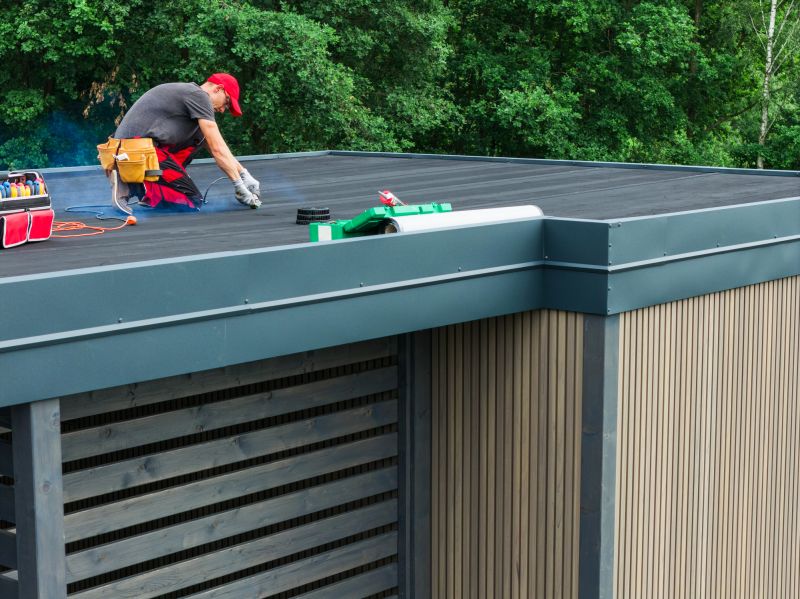
Before comparing local contractors, clearly describe your flat roof project, scope, and expectations in writing.
- Verify the contractor’s experience with flat roof installations to ensure familiarity with the specific roofing systems. - Confirm that the scope of work is clearly defined and documented in the project agreement.
- Assess the contractor’s ability to provide detailed written estimates outlining materials, labor, and project specifications. - Ensure that the contractor discusses the roofing materials and installation methods to meet your needs.
- Check references or reviews to gauge the quality of previous flat roof installation projects handled by the contractor. - Clarify the contractor’s process for handling potential issues or changes during the project.
- Ensure the contractor conducts a thorough inspection of the existing roof structure before starting work. - Confirm that all necessary permits and approvals are addressed in the scope of work.
- Compare multiple service providers to evaluate their proposed approaches, warranties, and communication practices. - Make sure expectations are set and agreed upon in writing before work begins.
Compare local contractors' experience and clarify project scope to ensure expectations are clearly defined.


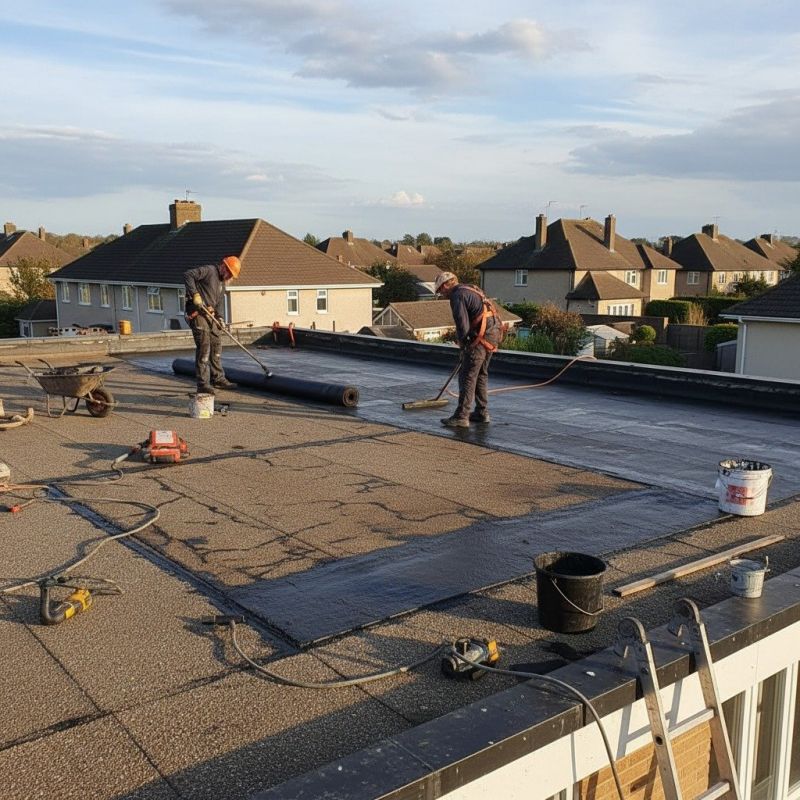

Use consistent comparison criteria across local contractors by clearly defining the scope, verifying experience, and documenting expectations in writing.
- Scope Definition - Clearly outline the specific tasks and materials involved in the flat roof installation project.
- Experience Verification - Confirm that local contractors have relevant experience with flat roof systems similar to the project’s requirements.
- Material Selection - Specify the types of roofing materials to be used and ensure they meet project expectations.
- Work Quality Standards - Establish the expected quality and performance benchmarks for the installation process.
- Written Agreement - Document the scope, materials, and standards in a detailed written contract to set clear expectations.
When comparing contractors for flat roof installation, it is essential to consider their experience with similar projects. A contractor with a proven track record of successfully completing flat roof installations can offer insights into potential challenges and effective solutions. Inquire about the types of flat roofing systems they have worked on and request examples of completed projects comparable to your property. This helps ensure that the service providers have relevant hands-on experience, which can contribute to a smoother installation process and a better understanding of specific material requirements.
A clear, written scope of work is a critical component when evaluating contractors. The scope should detail every aspect of the project, including surface preparation, materials to be used, installation methods, and any additional services involved. Having this information documented provides clarity and helps prevent misunderstandings or scope creep. It also serves as a reference point for expectations and can be useful when comparing different service providers to see how comprehensively they outline their approach.
Verification basics involve confirming that the service providers have the necessary background and credentials relevant to flat roof installation. This includes checking references from previous clients, reviewing any available project portfolios, and understanding their familiarity with local building codes and standards. While licensing and certification are not the focus here, gathering feedback from past customers and verifying their experience with similar projects can provide valuable insights into the reliability and quality of the contractors under consideration.
Evaluating options without discussing prices involves assessing the quality of proposals, the thoroughness of scope documentation, and the experience of each contractor. Review the details provided in each proposal to determine how well they address your specific project needs. Consider how clearly each contractor communicates their process and whether they demonstrate an understanding of flat roofing requirements. Comparing these qualitative factors helps identify service providers who are knowledgeable, professional, and capable of delivering a successful installation, enabling homeowners to make informed decisions based on expertise and approach rather than cost alone.
Ask contractors to provide written scope details to ensure clear understanding and consistent project expectations.
- Experience with Flat Roof Installation - How long have the local contractors been performing flat roof installations?
- Scope of Work - What specific services and materials will be included in the installation scope?
- Project Expectations - How do the contractors define and document the scope of work and project deliverables?
- Comparison of Services - What differences exist between local contractors' approaches to flat roof installation?
- Experience Verification - How can homeowners verify the experience and expertise of potential service providers?
How can I compare contractors for flat roof installation? To compare contractors, review their experience with flat roofs, check references or reviews, and assess their scope of work to ensure it aligns with project needs.
What should I consider when defining the scope of a flat roof installation? Clearly outline the size, materials, and any additional features or repairs needed to ensure contractors understand the project requirements and provide accurate proposals.
How can I verify a contractor's experience with flat roof installations? Ask for details about their past projects, request references, and confirm their familiarity with the specific roofing materials and techniques involved in flat roof work.
Why is it important to have a written agreement with a contractor? A written agreement helps set clear expectations, details the scope of work, and provides a record of agreed-upon terms, reducing misunderstandings during the project.
What questions should I ask a contractor before hiring for flat roof installation? Inquire about their experience, the materials they recommend, how they handle project scope changes, and how they ensure quality and safety standards are met.
How can I ensure the scope of work is comprehensive and clear? Work with the contractor to document all aspects of the project, including materials, measurements, timeline expectations, and any warranties or guarantees in writing.
This overview highlights the importance of thoroughly comparing local contractors for flat roof installation. Visitors learned how to define the scope of their project, verify the experience of service providers, and set clear expectations in writing. Taking these steps can help ensure that the process is well-organized and aligned with individual needs.
To find the right contractor for the job, it’s recommended to use the quote form to compare options available in the area. Connecting with trusted local service providers can simplify the process of evaluating expertise and service offerings, making it easier to choose a contractor suited to the project’s requirements.