Get Commercial Roof Installation in Denver, CO
Commercial roof installation services for Denver property owners address leaks, damage, and aging roofs through new or replacement projects on flat, metal, or built-up roofs.
- Flat Roof Installation - needed when installing or replacing flat roofs on commercial buildings in urban areas like Denver, CO.
- Metal Roof Installation - suitable for businesses seeking durable roofing solutions in regions prone to severe weather conditions.
- Built-Up Roofing (BUR) - appropriate for large commercial structures requiring multi-layered roofing systems for added protection.
- EPDM Roofing - ideal for warehouses and industrial facilities needing long-lasting, low-maintenance roofing options.
- Thermoplastic Polyolefin (TPO) Roofing - used when energy efficiency and reflective surfaces are priorities for commercial property owners in nearby metropolitan areas.
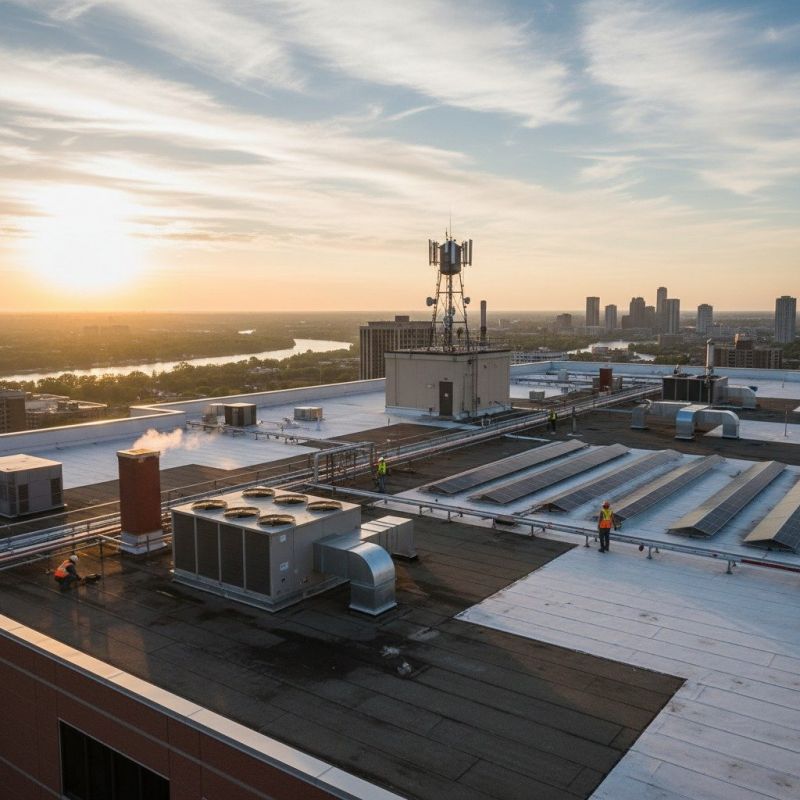
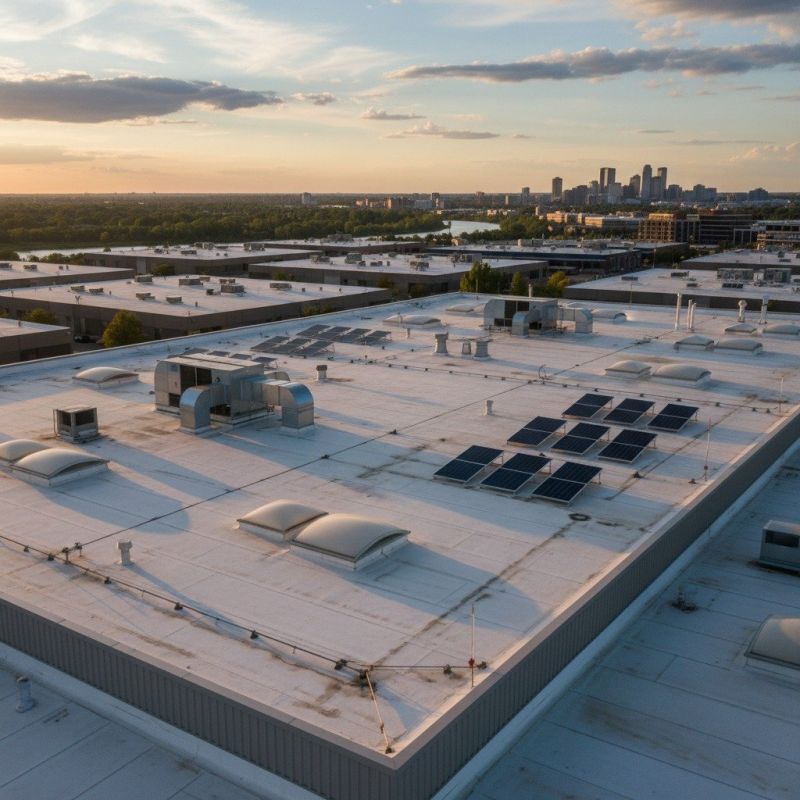
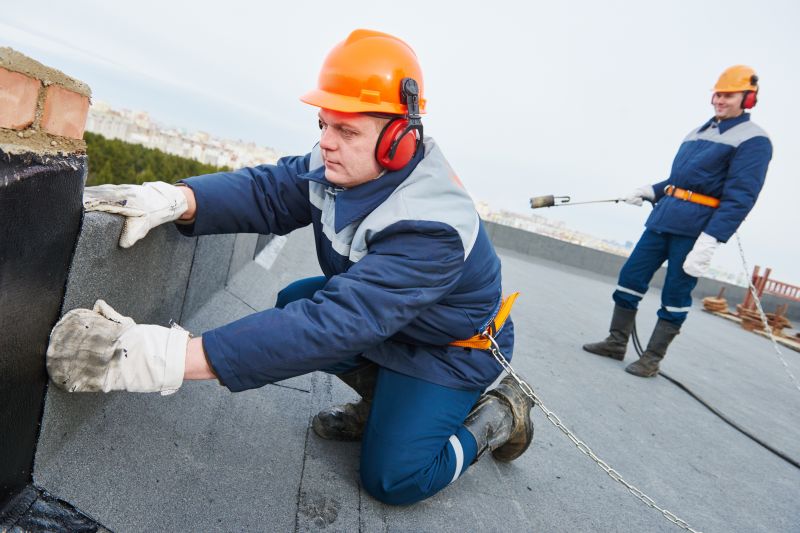
Commercial roof installation services involve the placement of new roofing systems on various types of commercial properties. This process typically includes selecting appropriate roofing materials, preparing the existing structure, and installing the new roof to ensure durability and performance. Contractors may also handle related tasks such as insulation, waterproofing, and sealing to create a reliable barrier against weather elements. Proper installation is essential for maintaining the integrity and longevity of the roof, helping property owners avoid future issues related to leaks or structural damage.
These services address common problems encountered with aging or damaged roofs, such as leaks, insulation failures, and structural weaknesses. A professionally installed commercial roof can prevent water intrusion, which might otherwise lead to interior damage, mold growth, and compromised building safety. Additionally, a new roof can improve energy efficiency by providing better insulation and reducing heating and cooling costs. Contractors aim to deliver a solution that enhances the overall performance of the property’s roofing system, reducing ongoing maintenance needs and potential repair costs.
Commercial properties that typically utilize roof installation services include office buildings, warehouses, retail centers, manufacturing facilities, and institutional structures like schools or hospitals. These properties often require large-scale roofing solutions that can accommodate specific operational needs and structural considerations. The choice of roofing system may depend on factors such as building size, usage, and environmental exposure, with commercial clients seeking durable, long-lasting options that support their operational requirements.
Professional commercial roof installation services are essential for property owners seeking reliable, high-quality results. Local contractors can assess the unique needs of each property, recommend suitable roofing materials, and ensure proper installation practices. Engaging experienced service providers helps mitigate potential issues related to improper installation, ensuring the roof performs as intended and provides lasting protection for the building. Contacting local experts can facilitate a smooth installation process tailored to the specific demands of commercial properties.
The overview below groups typical Commercial Roof Installation projects into broad ranges so you can see how smaller, mid-sized, and larger jobs often compare in Denver, CO.
In many markets, a large share of routine jobs stays in the lower and middle ranges, while only a smaller percentage of projects moves into the highest bands when the work is more complex or site conditions are harder than average.
Material Costs - The cost of materials for commercial roof installation typically ranges from $2 to $8 per square foot, depending on the roofing type. For example, asphalt shingles may cost around $3 per square foot, while metal roofing can be closer to $7 or $8 per square foot.
Labor Expenses - Labor costs for installing a commercial roof generally fall between $1.50 and $4 per square foot. Larger projects or complex roof designs may increase labor charges within this range.
Project Size - The overall cost varies with the size of the roof; a small commercial roof of about 1,000 square feet might cost between $10,000 and $20,000. Larger roofs, such as 10,000 square feet, can range from $50,000 to over $100,000 depending on materials and complexity.
Additional Costs - Extra expenses may include roof prep, tear-off, and disposal, which can add $1 to $3 per square foot. These costs vary based on the existing roof condition and local disposal fees.
Actual totals will depend on details like access to the work area, the scope of the project, and the materials selected, so use these as general starting points rather than exact figures.
Commercial Flat Roofs - Local contractors offer installation services for flat roofing systems commonly used in warehouses and retail centers, ensuring durability and weather resistance.
Metal Roofing Systems - Professionals provide metal roof installation for commercial buildings seeking long-lasting and low-maintenance roofing options.
EPDM Roofing Installation - Service providers specialize in installing rubber membrane roofs suitable for commercial structures requiring flexible and waterproof solutions.
Built-Up Roofing (BUR) - Local pros deliver BUR installation for large commercial roofs, providing multiple layers of protection against the elements.
Single-Ply Roofing - Contractors install single-ply membrane roofs, ideal for commercial facilities needing quick, reliable waterproofing solutions.
Green Roof Installations - Experts facilitate the installation of green roofs on commercial properties, combining roofing with sustainable landscaping features.
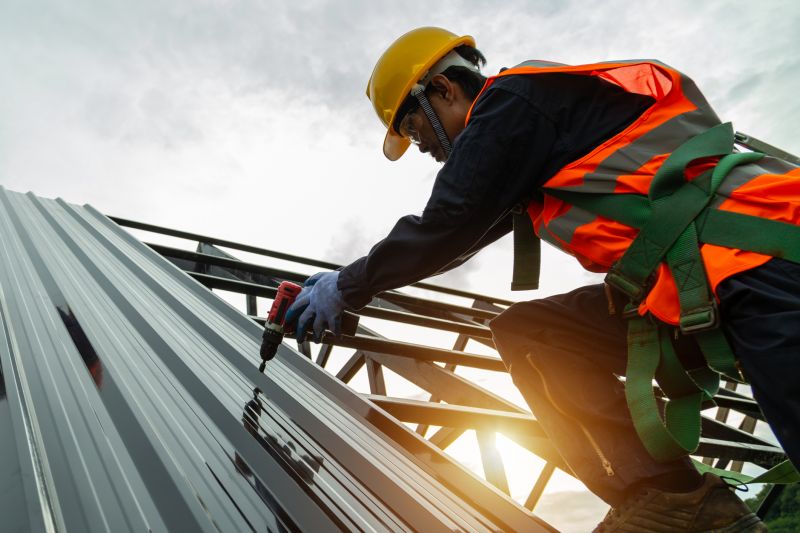
When selecting a professional for commercial roof installation, it's important to consider each contractor’s experience in handling projects similar in scope and complexity. Homeowners should look for providers with a proven track record of successful installations, especially within the local area, to ensure familiarity with regional building codes and climate considerations. Reviewing a contractor’s portfolio or asking for references can provide insight into their expertise and the quality of their work, helping to establish confidence before making a decision.
Clear and detailed written expectations are essential when working with a commercial roofing contractor. A reputable professional will communicate the scope of work, materials to be used, project timeline, and any other relevant details in writing. This transparency helps prevent misunderstandings and ensures that all parties are aligned on project goals. Homeowners should prioritize providers who are willing to provide comprehensive proposals and respond promptly to questions or clarifications.
Reputation and communication are key factors in choosing a reliable commercial roofing contractor. Local pros with established reputations often have reviews or references available that can shed light on their professionalism and reliability. Effective communication throughout the project is crucial, as it allows homeowners to stay informed about progress and address concerns promptly. Connecting with local providers who emphasize open dialogue and transparency can lead to a smoother installation experience.
Property owners in Denver, CO use Commercial Roof Installation services for practical projects around their homes and businesses. The sections below highlight everyday jobs and straightforward project options.
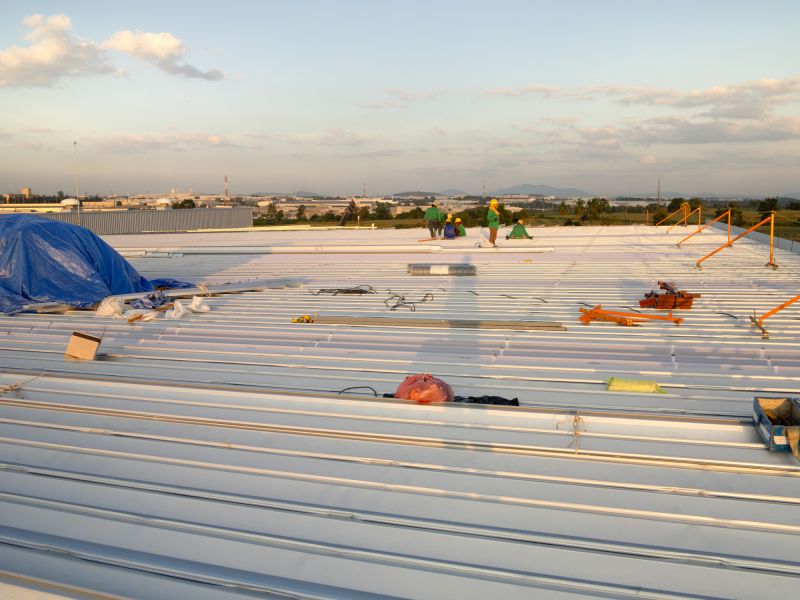
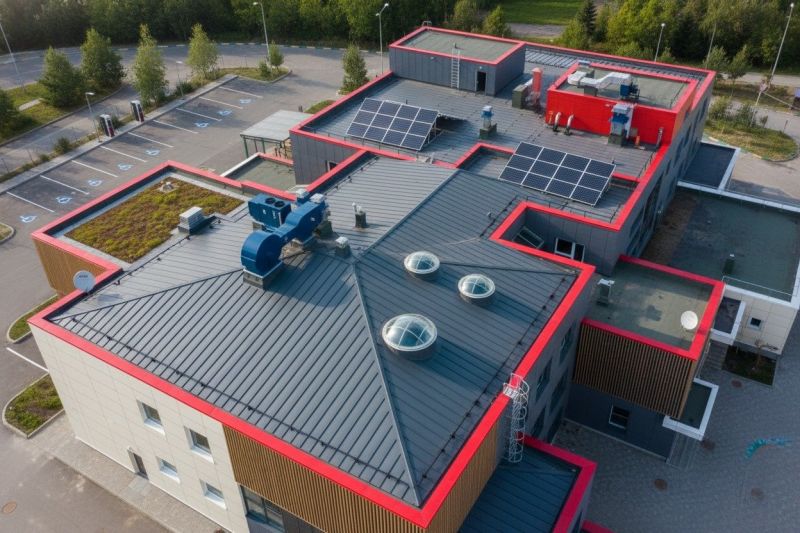
Commercial roof installation services are often sought by property owners in Denver, CO when constructing new office buildings, warehouses, or retail spaces. These projects require durable roofing solutions that can withstand the region’s weather conditions and provide long-term protection for business operations. Additionally, property owners may look for installation services when replacing aging or damaged roofs to ensure safety, improve energy efficiency, or meet updated building codes.
In some cases, property owners may need new commercial roofing installed as part of a larger renovation or expansion project. Whether upgrading to a more modern roofing system or installing a roof for a new development, local service providers can assist with the planning and execution of these projects. Professionals can help ensure the installation process aligns with local regulations and industry standards, supporting the overall success of commercial property improvements.
What types of commercial roofs can be installed? Local contractors typically install various types of commercial roofing systems, including flat roofs, metal roofs, and built-up roofing, depending on the building's needs and specifications.
How long does a commercial roof installation usually take? The duration of a commercial roof installation varies based on the size and complexity of the project, but contractors can provide an estimated timeframe during the consultation process.
What factors should be considered before installing a new commercial roof? Important factors include the building’s structure, intended roof lifespan, local weather conditions, and budget, which local service providers can help evaluate.
Are there any permits required for commercial roof installation? Permit requirements depend on local regulations; a professional contractor or local authority can advise on necessary permits for commercial roofing projects.
What maintenance is needed after a commercial roof installation? Post-installation maintenance typically involves regular inspections and repairs, which local roofing contractors can assist with to ensure the roof’s longevity.
Commercial Roof Installation Planning - Professional contractors can assist with assessing your building’s needs to develop an effective installation plan tailored to your property.
Material Selection Advice - Local service providers offer guidance on suitable roofing materials that meet your commercial building requirements and budget.
Project Scheduling and Coordination - Experienced pros can coordinate installation timelines to minimize disruption to your business operations.
Permitting and Code Compliance Support - Contractors can help ensure your roof installation meets local building codes and manages necessary permits.
Considering Commercial Roof Installation for a property in Denver, CO? The sections above highlight common project types, practical options, and details that often shape the scope of work.
When you are ready, use the quote form to share a few details about your project. Local pros can review the basics and respond with options that match what you have in mind.